
How Bed Bugs Spread
If you're concerned about how bed bugs spread, local bedbug fumigation service providers can help eliminate infestations and prevent further spread effectively.
If you’re wondering how bed bugs spread, you’re in the right place to find helpful insights. Understanding the common ways these pests move from place to place is crucial for property owners aiming to prevent infestations or address existing ones effectively. Bed bugs are notorious for hitchhiking on personal belongings, luggage, or used furniture, making it easy for them to travel between homes, apartments, and even commercial spaces. Recognizing these pathways can empower property owners to take proactive steps and seek guidance from local contractors experienced in bedbug fumigation services.
Exploring how bed bugs spread also highlights the importance of prompt and professional intervention when an infestation is suspected. Local service providers specializing in bedbug fumigation can assess the situation, identify potential sources of spread, and implement targeted treatments to eliminate pests. Whether it’s preventing the transfer of bed bugs through proper cleaning and inspection or addressing an active problem, understanding the movement patterns of these pests helps property owners make informed decisions. Keep reading to learn more about the practical ways bed bugs spread and how local experts can assist in protecting your space.
- Bedbug Fumigation - needed when bed bugs are suspected to have spread through infested furniture or luggage, with local contractors applying targeted treatments to eliminate the pests.
- Infestation Assessment - essential when trying to understand how bed bugs spread within a home or building, with local pros inspecting common hiding spots to identify infestation sources.
- Clutter Removal and Preparation - recommended before fumigation to prevent bed bugs from dispersing during treatment, with service providers advising on effective cleaning and organization strategies.
- Follow-up Treatments - necessary if bed bugs have spread to multiple areas, with local experts planning additional fumigation sessions to ensure complete eradication.
- Preventative Bedbug Treatments - used to stop the spread of bed bugs in high-traffic or multi-unit buildings, with service providers implementing proactive measures to limit infestation movement.


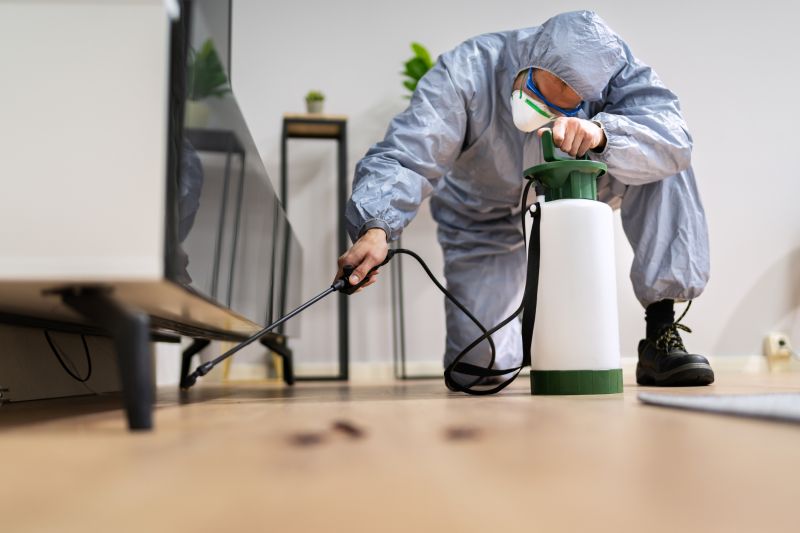
Understanding how bed bugs spread is a common concern among homeowners dealing with or trying to prevent infestations. When people search for this topic, they often want to know how these tiny pests move from one place to another, especially since bed bugs are notorious for their ability to hitchhike and establish themselves quickly. This knowledge helps homeowners identify potential risks and take proactive steps to protect their properties. Knowing the mechanisms of spread also clarifies why a bed bug infestation may suddenly appear in a previously unaffected room or even in multiple areas within a home.
The spread of bed bugs is closely linked to various problems and plans related to pest management. Many homeowners seek information on how infestations develop so they can better prevent or contain them. For example, understanding that bed bugs can be transported via luggage, clothing, or used furniture highlights the importance of thorough inspections and careful handling of secondhand items. This knowledge supports strategies like regular cleaning, vigilant monitoring, and prompt treatment. Local service providers who specialize in bedbug fumigation often assist with these efforts by providing expert inspections and targeted treatments to curb the spread and eliminate existing infestations.
Certain types of properties are more commonly affected by how bed bugs spread. Residential homes, especially multi-unit buildings like apartments and condos, are particularly vulnerable because of the close proximity of units and shared spaces. Hotels and other hospitality venues also face high risks, as guests can inadvertently carry bed bugs in luggage or clothing. Additionally, dormitories, shelters, and other communal living environments are susceptible due to frequent movement and shared facilities. Knowing which properties are most at risk helps homeowners and property managers understand the importance of preventative measures and timely professional intervention by local contractors experienced in bedbug control.
Understanding how bed bugs spread connects directly to real projects homeowners might undertake, such as thorough inspections, treatment plans, and ongoing prevention strategies. When infestations are detected or suspected, local bedbug fumigation professionals can evaluate the extent of spread and implement effective treatment methods. They can also advise on steps to prevent future movement, such as proper luggage handling, furniture inspection, and cleaning routines. Recognizing the pathways of how bed bugs travel emphasizes the importance of professional assistance in controlling and eliminating these pests, ensuring that properties remain pest-free and comfortable.
Pest inspection services - professionals who perform thorough inspections to identify how bed bugs spread within a property and pinpoint potential entry points for infestations.
Infestation treatment planning - local contractors who develop targeted strategies to prevent the spread of bed bugs based on their movement patterns and common transmission routes.
Furniture and clutter removal - service providers that assist with clearing infested areas to reduce hiding spots and limit the spread of bed bugs to new locations.
Clothing and item decontamination - specialists who help treat personal belongings to prevent bed bugs from hitchhiking to other areas or homes.
Integrated pest management consulting - experts who advise on how bed bugs spread and recommend effective steps to contain and eliminate infestations.
Post-treatment monitoring services - local pros who track bed bug activity after fumigation to ensure they do not re-establish and spread again.
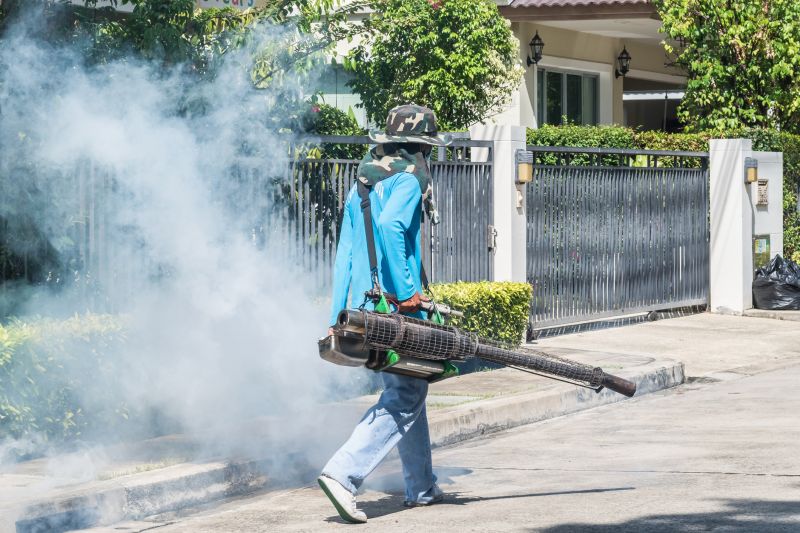
When comparing local contractors for bedbug fumigation services, it’s important to evaluate their experience with similar projects. Homeowners should look for service providers who have a proven track record in handling bedbug infestations, particularly those involving complex or widespread cases. An experienced contractor can better understand how bed bugs spread within different environments and apply effective treatment methods accordingly. This background can help ensure that the chosen professional is familiar with the latest techniques and best practices for eliminating bedbugs and preventing future issues.
Clear written expectations are essential when selecting a service provider. Homeowners should seek out contractors who provide detailed descriptions of their treatment procedures, what the process entails, and what results to expect. Having this information in writing helps establish a mutual understanding and reduces the likelihood of misunderstandings or surprises. It also allows homeowners to compare different providers based on the scope of services offered and the level of detail provided, making it easier to find a professional who aligns with their needs and concerns about how bed bugs spread.
Reputable references and good communication are key factors in choosing a reliable service provider. Homeowners are encouraged to request references or reviews from previous clients to gain insight into the contractor’s quality of work and professionalism. Additionally, a contractor’s responsiveness and clarity in communication can indicate their commitment to customer service and transparency. Effective communication ensures that questions about how bed bugs spread or treatment options are addressed thoroughly, helping homeowners feel confident in their choice of a local professional capable of managing their bedbug concerns effectively.
Property owners often search for how bed bugs spread when they are planning practical projects around their homes and businesses. Local pros provide Bedbug Fumigation services for everyday jobs and straightforward project options.
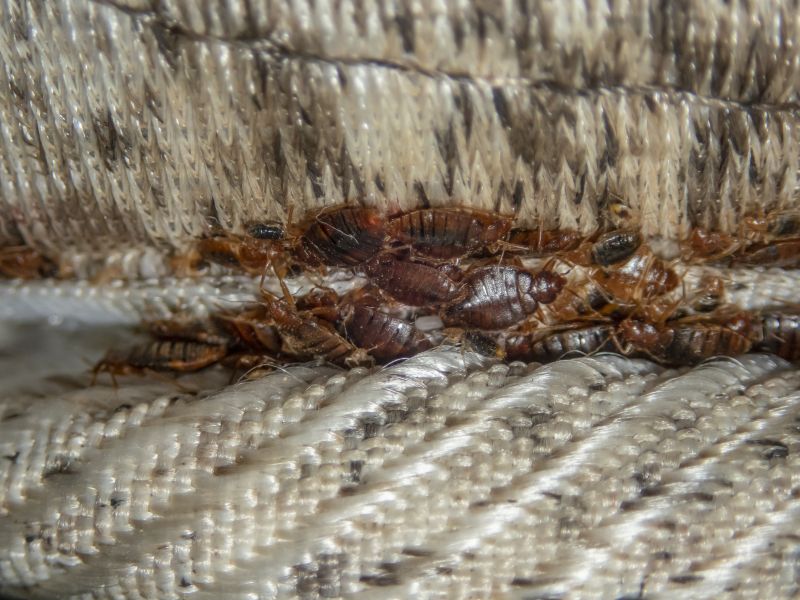

Understanding how bed bugs spread can help property owners identify potential sources of infestation and take proactive steps to prevent their arrival. Common situations such as traveling, bringing secondhand furniture into a home, or even visiting crowded public places can increase the risk of introducing these pests. Local contractors who specialize in bedbug fumigation often see cases linked to everyday activities, making it important for property owners to be aware of how these pests can hitch a ride into their living spaces.
Many infestations originate from simple, everyday scenarios that involve close contact or shared belongings. For example, staying in a hotel, using public transportation, or acquiring used clothing and furniture can serve as pathways for bed bugs to spread. Property owners seeking effective solutions often consider consulting with local service providers who can perform thorough inspections and treatments. These professionals are equipped to address infestations caused by common habits and help ensure that homes remain free of bed bugs.
How do bed bugs typically spread between locations? Bed bugs spread mainly through infested items such as luggage, clothing, or furniture that are moved from one place to another, allowing them to establish in new environments.
Can bed bugs spread through shared walls or plumbing? While bed bugs do not travel through walls or plumbing, they can migrate between units via close proximity, especially if there are cracks or openings that allow movement.
Are bed bugs able to spread via clothing or personal belongings? Yes, bed bugs can latch onto clothing, backpacks, or other personal belongings, facilitating their transfer from one location to another.
What role do furniture and secondhand items play in spreading bed bugs? Used furniture and secondhand items are common sources of bed bug spread, as they may harbor infestations that can transfer to new environments when brought inside.
How can local service providers help prevent the spread of bed bugs? Experienced contractors can identify and treat infestations, and advise on proper disposal or treatment of infested items to prevent further spreading of bed bugs.
Understanding how bed bugs spread helps property owners identify common pathways for infestations and implement targeted prevention strategies with the help of local contractors.
Recognizing the role of shared items encourages property owners to inspect and treat belongings like luggage and furniture to prevent bed bug movement during renovations or relocations.
Monitoring high-traffic areas assists property owners in focusing pest control efforts on spaces where bed bugs are most likely to travel between rooms or units.
Implementing effective barriers enables property owners to work with local service providers to create physical defenses that limit bed bug spread within multi-unit buildings.
If you are thinking about how bed bugs spread for a property, this guide is meant to help you understand this topic, the typical project types, and how different options might fit your plans.
When you are ready, you can use the quote form on this page to share a few details about your project. From there, local pros can review the basics and follow up with options that match what you have in mind.